About:
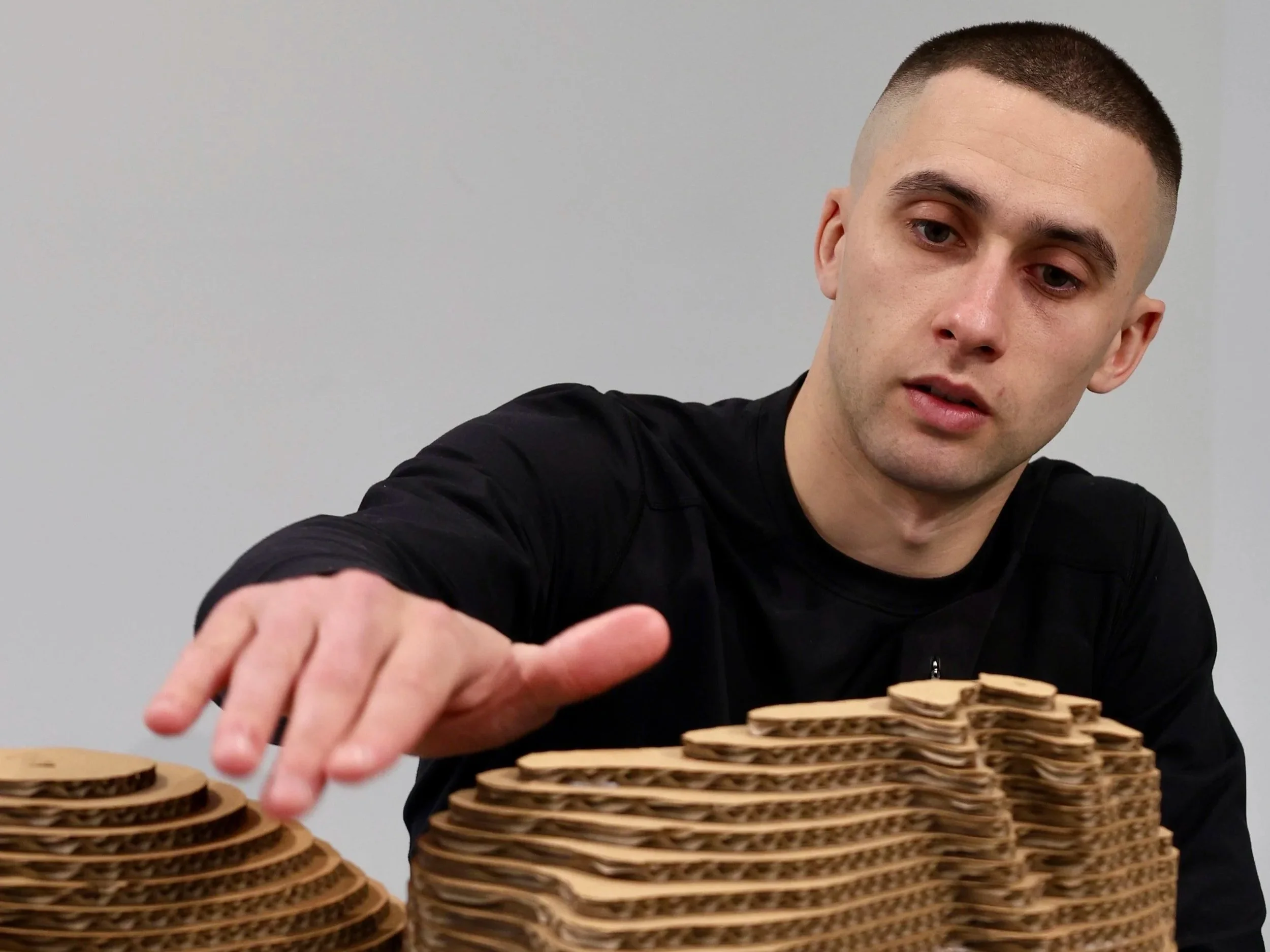
Izaak Brandt (b. 1995) is a UK-based multidisciplinary artist whose practice spans sculpture, performance, sound, and film.
Brandt’s practice investigates themes of tension, ego, the internal landscape, and connection. His work often begins with the raw materials of the body, translating his 18 years of international dance experience into sculptural forms, or recontextualising symbolic objects that shape our lived realities. Performance acts as both catalyst and companion to his sculptural output; a tool for embodied research, which imbues the resulting objects with urgency and lived experience.
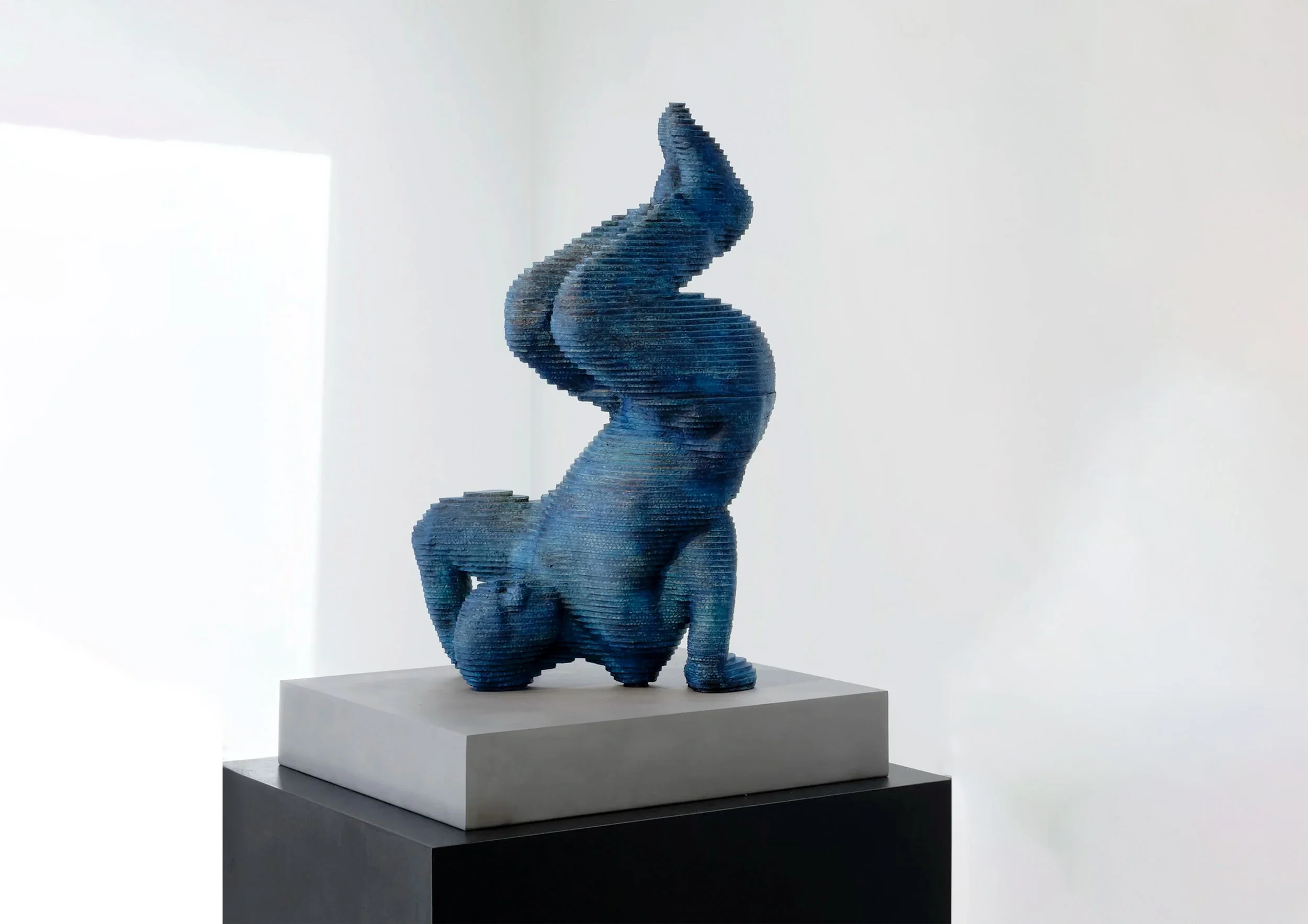
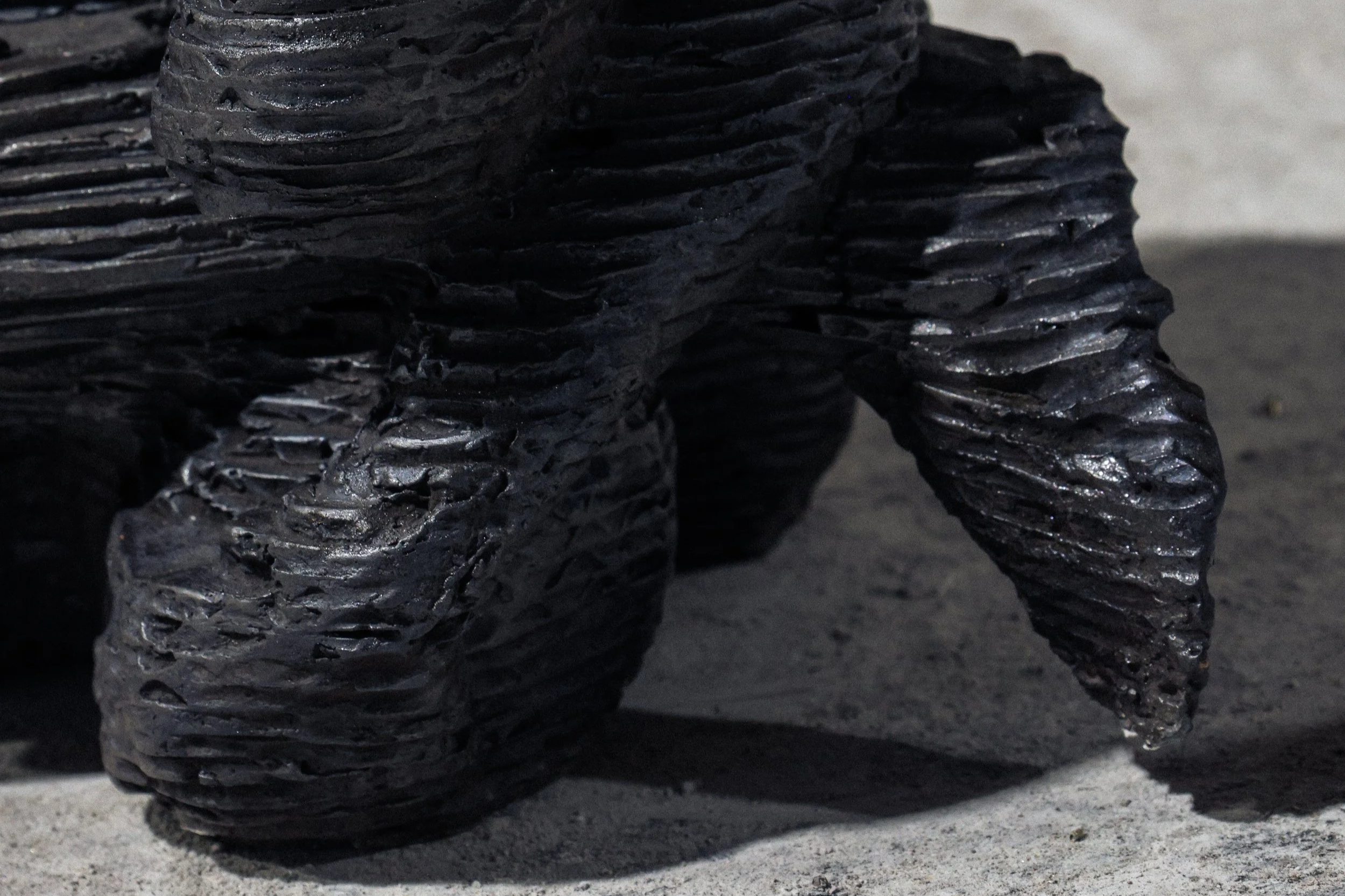
Brandt’s primary external material is cardboard, a foundational surface of early Breaking and Hip-Hop culture, used by buskers as an accessible alternative to the sprung studio floor. He adopts this material both symbolically and physically, constructing bodies and freeze-based forms from it. Structured and fragile, cardboard parallels the body itself: resilient yet vulnerable, temporary yet enduring. These hand-built forms are later cast in bronze, monumentalising gestures born on the street while retaining the tactile memory of the original material. In doing so, Brandt preserves the surface history, creases, and scars of cardboard within a historically monumental medium.
In 2020, Brandt was Artist in Residence at the Sarabande Foundation. In 2021, he was selected as one of 200 international artists to participate in Louis Vuitton LV200, commemorating 200 years of Louis Vuitton. His work has been exhibited internationally, including projects during Art Basel Miami Beach (2022), and as part of Future Fossils (2025–2026), a touring museum exhibition presented alongside artists such as Ai Weiwei, Rachel Whiteread and Do Ho Suh. Brandt’s work is held in private collections internationally and has been featured in publications including Vogue (2022), Forbes (2022) and Hypebeast (2021). From 2010 to 2020, he was a core member of Soul Mavericks, the UK’s leading Breaking company, touring internationally and performing to audiences of up to 14,000; an experience that laid the foundation for his movement-based practice.